Stainless steel is widely specified for its durability, hygiene, and corrosion resistance. However, not all stainless steel grades perform the same in every environment. Selecting the wrong grade can lead to premature corrosion, surface staining, and increased maintenance — particularly in demanding environments such as coastal locations, food preparation areas, and high-cleanliness facilities.
At Marko Stainless & Aluminium, we assist builders, architects, and facility managers in selecting the most appropriate stainless steel grade for each application. Choosing the right grade from the outset ensures long-term performance, compliance, and value.
What Is a Stainless Steel Grade?
A stainless steel grade refers to the specific alloy composition of the material, particularly the balance of chromium, nickel, molybdenum, and other elements. These components directly affect corrosion resistance, strength, and suitability for different environments.
In construction and fabrication, grades 304 and 316 are the most commonly used stainless steel grades, but they are designed for different conditions.
Understanding the Common Grades
304 Stainless Steel
Grade 304 stainless steel is the most widely used stainless grade in architectural and commercial applications. It offers excellent general corrosion resistance, good formability, and weldability.
304 stainless steel is suitable for:
- Indoor environments
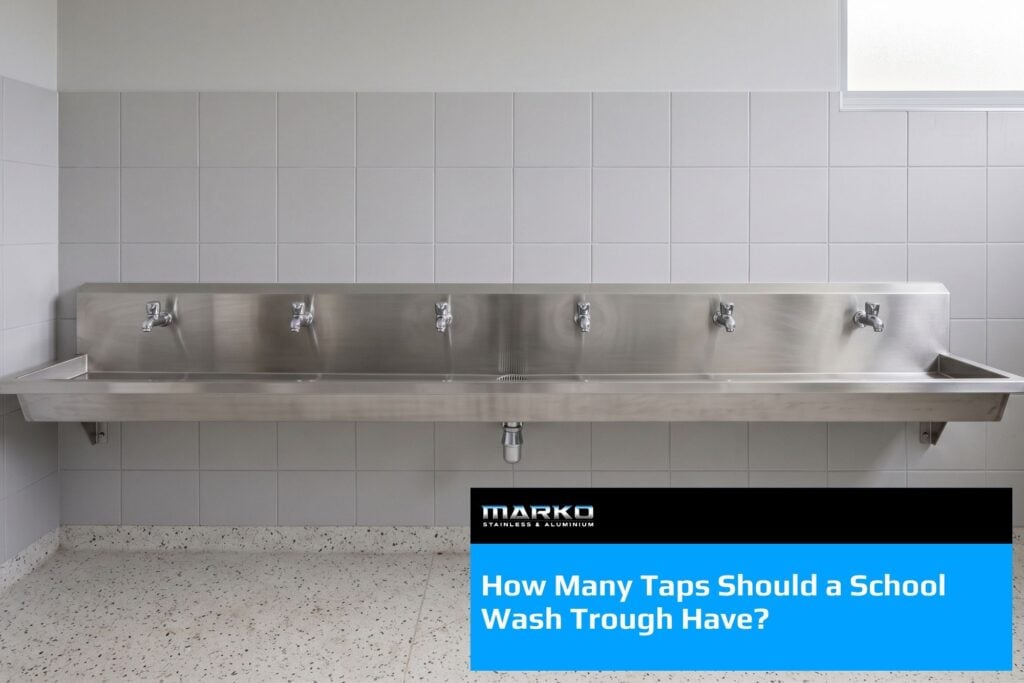
- Internal school bathrooms and amenities
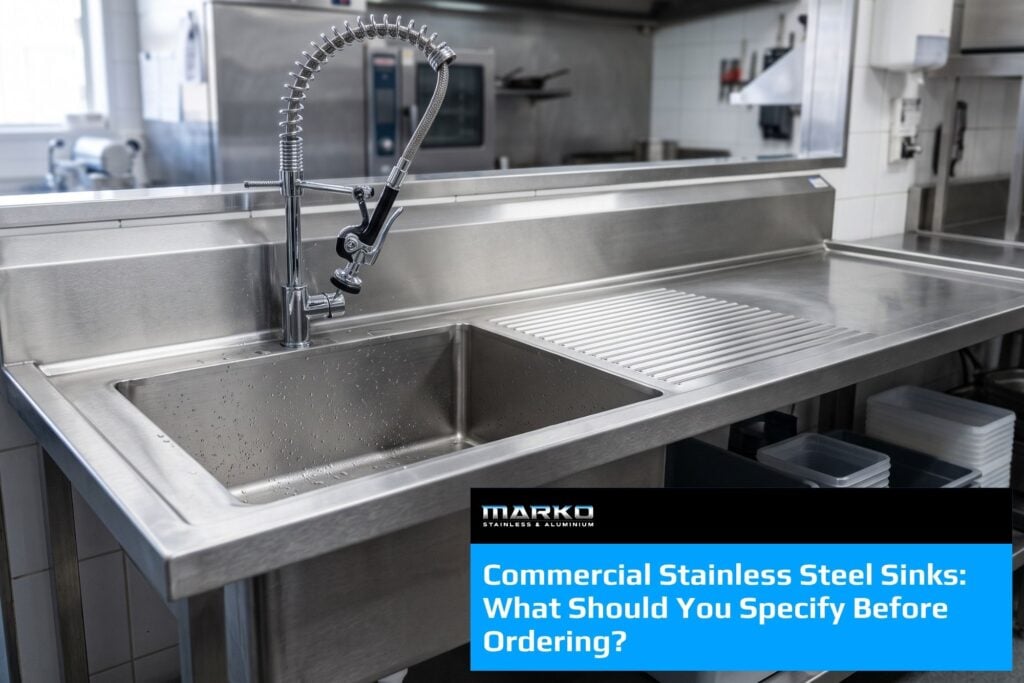
- Commercial kitchens with controlled conditions
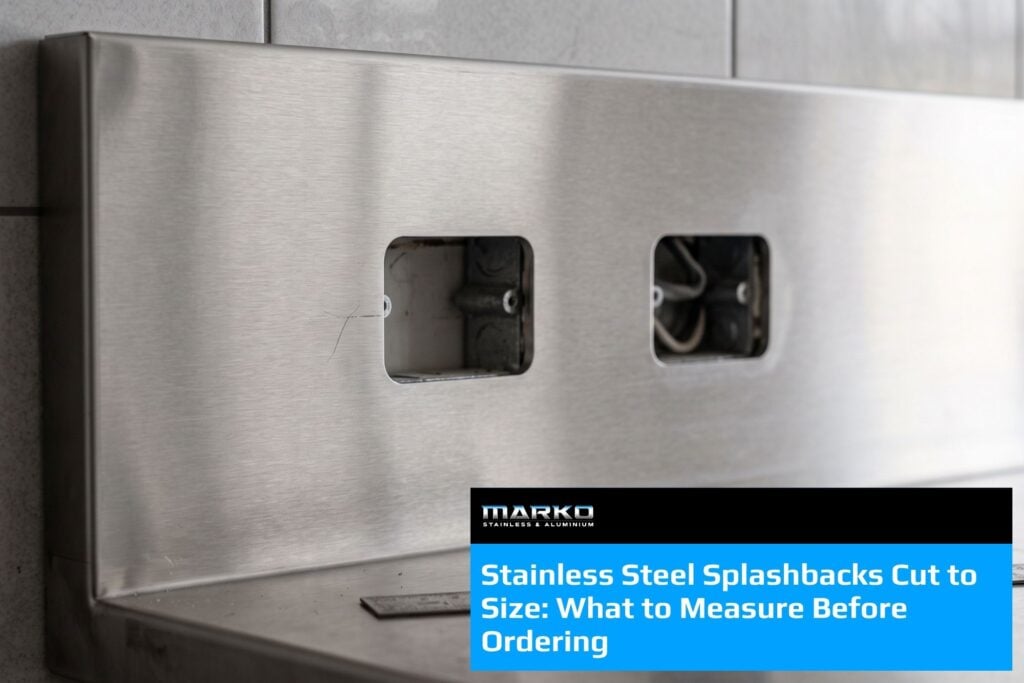
- Benches, sinks, splashbacks, and wall linings located away from aggressive environments
When used in appropriate internal environments and maintained with routine cleaning, 304 stainless steel performs reliably over long periods.
However, 304 stainless steel is more susceptible to pitting and crevice corrosion when exposed to chloride-rich environments, such as coastal air, salt spray, or areas subject to harsh cleaning chemicals.
316 Stainless Steel
Grade 316 stainless steel contains added molybdenum, which significantly improves resistance to corrosion caused by chlorides and aggressive environments.
316 stainless steel is suitable for:
- Coastal and marine-influenced locations
- Outdoor installations
- Food processing and washdown environments
- Areas exposed to high humidity, salt, or chemicals
In Australian conditions, 316 stainless steel is commonly specified for projects within coastal zones, as it provides superior resistance to staining and corrosion compared to 304.
Indoor vs Outdoor Applications
Selecting the correct stainless steel grade depends heavily on exposure conditions:
- Indoor, low-chloride environments:
Grade 304 is often a cost-effective and reliable choice. - Outdoor, coastal, or aggressive environments:
Grade 316 should be specified to reduce the risk of corrosion and extend service life.
Using the appropriate grade helps maintain both the appearance and structural integrity of stainless steel fixtures over time.
Hygiene and Cleaning Considerations
In food preparation areas, schools, and public facilities, frequent cleaning is essential. Some cleaning chemicals can accelerate corrosion if the stainless steel grade is not suitable for the environment.
Selecting the correct grade helps:
- Maintain surface integrity
- Support effective cleaning routines
- Reduce long-term maintenance requirements
Avoiding Common Specification Mistakes
Common issues arise when stainless steel grades are selected based solely on upfront cost rather than environmental conditions.
Typical mistakes include:
- Using 304 stainless steel in coastal or outdoor applications
- Underestimating the impact of cleaning chemicals
- Failing to consider humidity and exposure levels
- Applying a single grade across environments with different risks
These mistakes often result in staining, corrosion, and premature replacement.
Custom Fabrication and Grade Selection
Custom stainless steel fabrication allows different grades to be used within the same project where appropriate. For example:
- Grade 304 may be used for internal benches and fixtures
- Grade 316 may be specified for outdoor troughs or exposed components
At Marko Stainless & Aluminium, we assist in selecting and fabricating the correct grade for each application, ensuring long-term performance and reduced risk.
Long-Term Value of Correct Grade Selection
While higher-grade stainless steel may involve a higher initial cost, it often delivers greater long-term value by reducing maintenance, repairs, and replacement.
Correct grade selection protects the asset and ensures stainless steel delivers its full lifecycle benefits.
Why Choose Marko Stainless & Aluminium? (Material Expertise & Risk Reduction Focus)
- Expert guidance on grade selection: Stainless steel specified to suit real-world conditions
- Application-driven fabrication: Products designed for indoor, outdoor, and high-use environments
- Reduced risk of corrosion issues: Correct material choice from the outset
- ASSDA accredited fabricator: Confidence in stainless steel knowledge and workmanship
- Established since 1994: Proven experience across commercial and education projects
Conclusion
Choosing the correct stainless steel grade is essential for ensuring durability, corrosion resistance, and long-term performance. While 304 stainless steel is suitable for many internal applications, 316 stainless steel is the preferred choice for coastal, outdoor, and aggressive environments.
By working with Marko Stainless & Aluminium, builders and specifiers can avoid costly mistakes and ensure stainless steel solutions are designed to perform for the life of the project.
Call to Action
Contact Marko Stainless & Aluminium to discuss stainless steel grade selection for your next project.