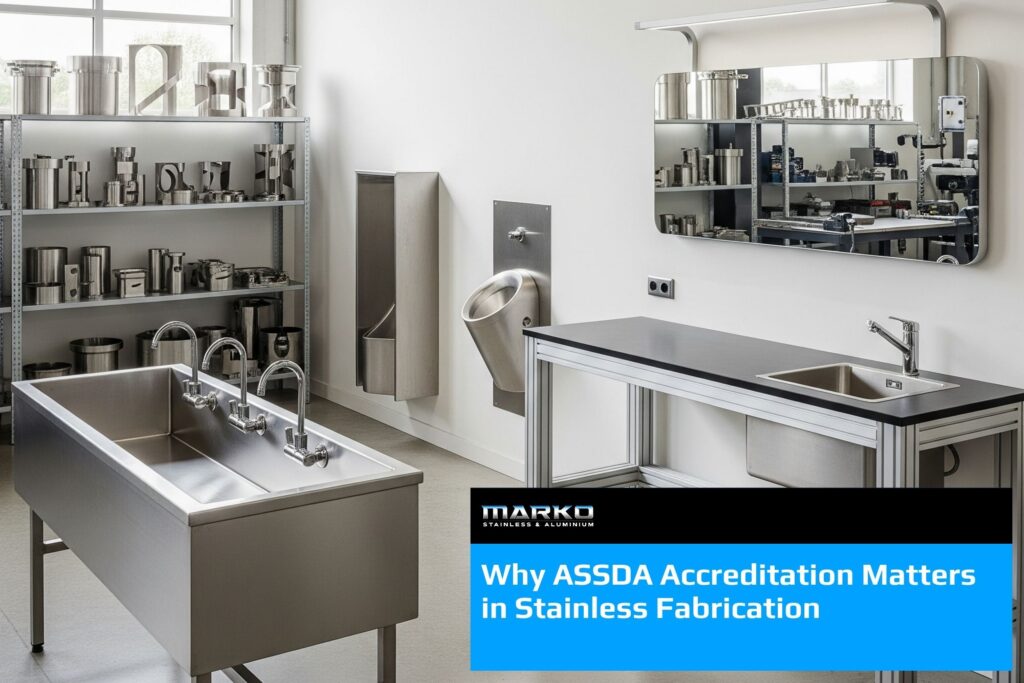
ASSDA accreditation helps asset owners, architects, builders and specifiers identify stainless steel fabricators that have demonstrated relevant knowledge, workshop capability and a commitment to recognised quality practices.
It is an industry accreditation for stainless steel fabrication. It provides greater confidence in the fabricator’s technical practices, but it is not a blanket guarantee that every finished item automatically complies with every project specification, regulation or standard.
What is ASSDA?
The Australian Stainless Steel Development Association (ASSDA) is Australia’s peak industry body for stainless steel. It provides technical information, education and industry guidance about stainless steel selection, design, fabrication, use and maintenance.
ASSDA launched its Accreditation Scheme in 2004 to establish a benchmark for stainless steel fabricators. Accredited Fabricators are assessed against criteria covering stainless-specific knowledge, workshop capability, contamination prevention, quality control, safety management and training systems.
What accreditation indicates
ASSDA describes its Accredited Fabricator logo as a mark of knowledge, experience and quality. For a project team, accreditation indicates that the fabricator has been assessed against the scheme rather than simply making an unverified claim about stainless steel expertise.
Relevant practical areas include:
- Understanding that stainless steel requires different handling and fabrication practices from carbon steel and aluminium.
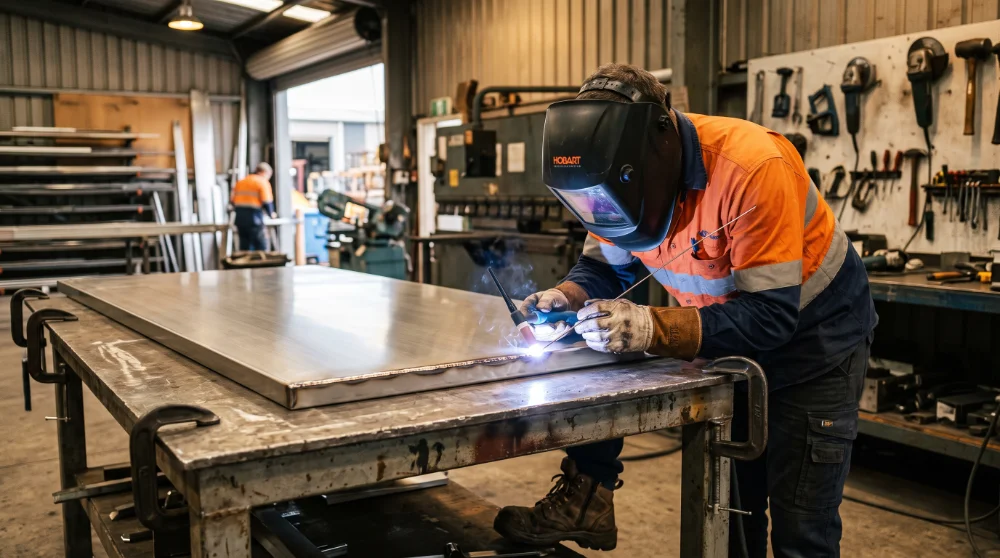
- Workshop processes intended to reduce contamination from carbon-steel tools, particles and handling equipment.
- Knowledge of grade selection, welding, heat-tint treatment, surface finishing and maintenance considerations.
- Quality-control and training systems assessed through the accreditation process.
- A commitment to ASSDA’s Code of Ethics and Practice and continuing competency development.
Why fabrication practice matters
Stainless steel relies on a chromium-rich passive surface film for corrosion resistance. Unsuitable fabrication practices can damage or contaminate that surface. Common risks include embedded carbon-steel particles, untreated weld heat tint, rough crevices, inconsistent finishes and unsuitable grade selection.
These issues do not mean a fabrication will necessarily fail, but they can reduce corrosion performance, cleanability or appearance. Selecting a fabricator with demonstrated stainless-specific knowledge helps a project team manage those risks.
What ASSDA accreditation does not mean
Accreditation should not be described as an automatic project-compliance certificate. Compliance still depends on the agreed design, current standards, specified materials, plumbing or structural requirements, installation and the responsibilities allocated within the contract.
| Accreditation can indicate | Accreditation does not automatically prove |
| Assessed stainless-specific knowledge and workshop practices | Compliance with every NCC, plumbing, accessibility or health requirement |
| Attention to contamination prevention and quality control | That every product suits every environment or application |
| Commitment to ongoing competency and industry practice | That aluminium fabrication is covered by ASSDA accreditation |
| Greater confidence when assessing a stainless fabricator | That project drawings, engineering or certification are unnecessary |
ASSDA accreditation on school and government projects
Accreditation may be a useful supplier-qualification requirement for education, council and government work where stainless fabrication quality and durability are important. However, it does not replace the project specification or approval process.
For NSW public school work, products can be manufactured to suit NSW School Infrastructure EFSG requirements where applicable and where those requirements form part of the agreed project specification. The current project documentation should be reviewed separately from the fabricator’s ASSDA status.
Marko Stainless & Aluminium
Marko Stainless & Aluminium has been trading since 1994 and is an ASSDA accredited fabricator. The business fabricates stainless steel products for schools, commercial kitchens, laboratories, builders, architects, councils and public-amenity projects.
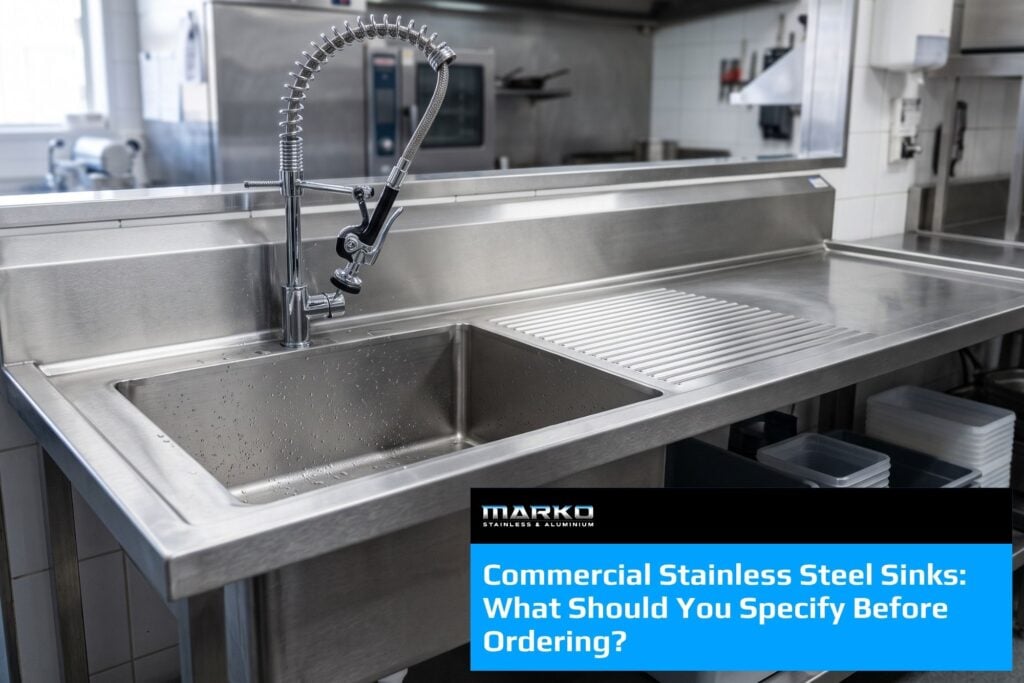
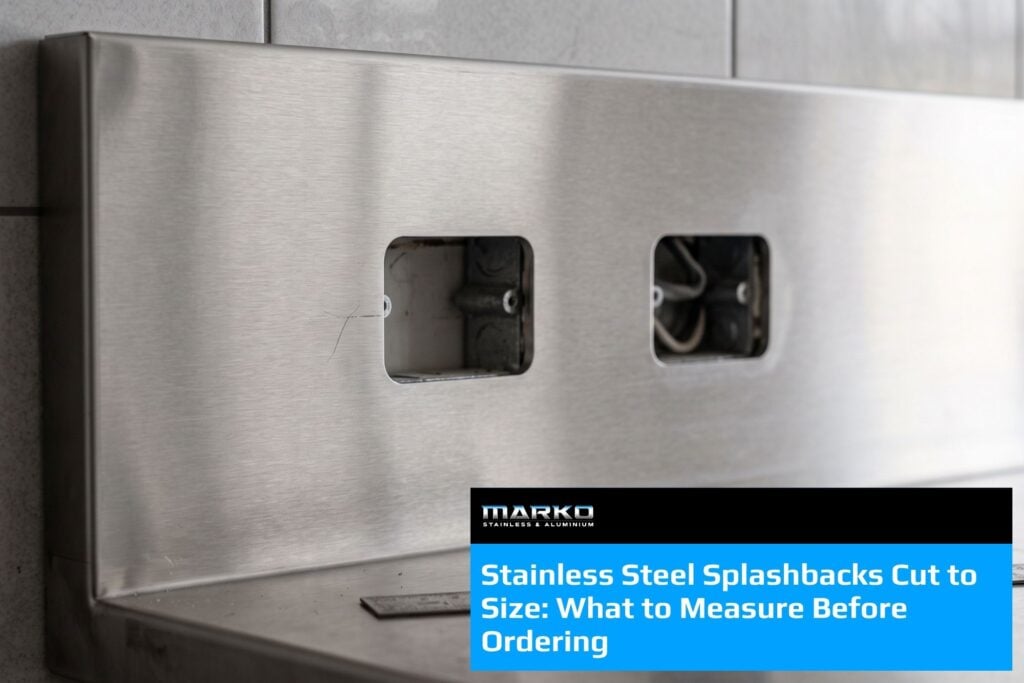
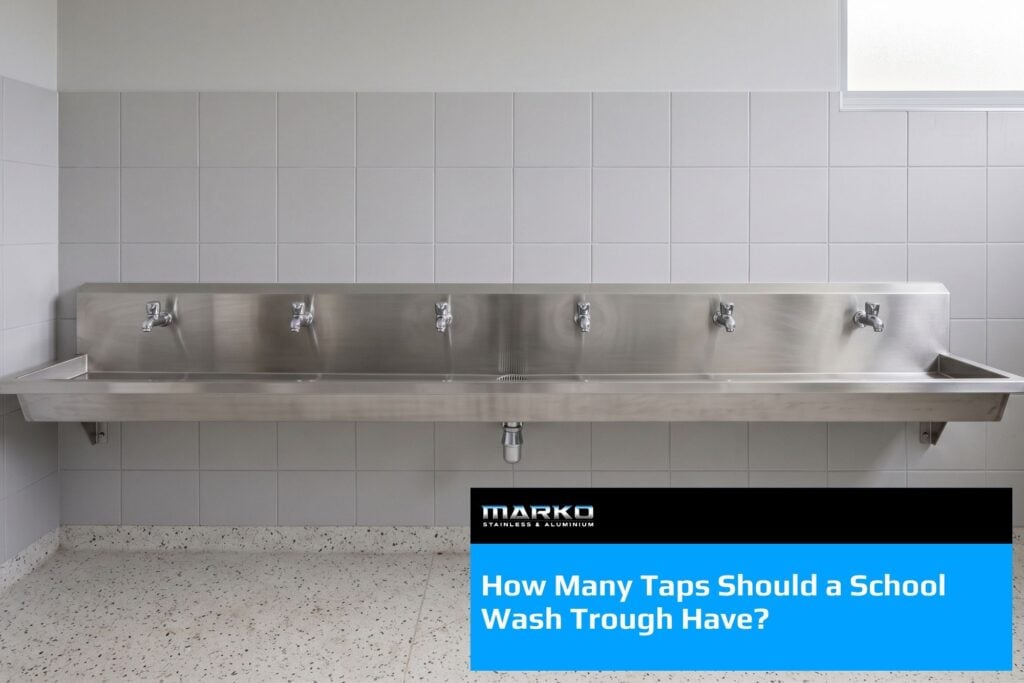
Typical work includes wash, drinking and art troughs, urinals, mirrors, benches, sinks, splashbacks, shelving and custom solid-plate benchtops. The required grade, finish, dimensions and project details are confirmed as part of the quotation and fabrication process.
Questions to ask when selecting a stainless fabricator
- Is the business currently listed as an ASSDA Accredited Fabricator?
- Does it have experience with the product type and installation environment?
- How will the material grade, finish, weld treatment and contamination controls be confirmed?
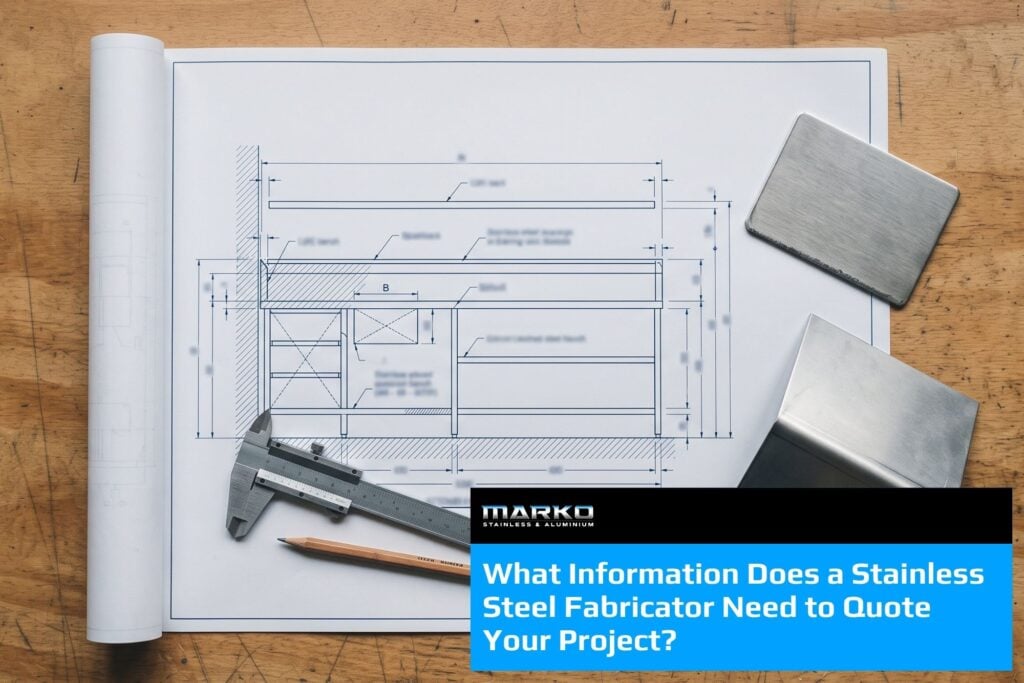
- What drawings and project information are required before fabrication?
- Which compliance, engineering and installation responsibilities remain with other project parties?
Frequently Asked Questions
How can ASSDA accreditation be verified?
ASSDA maintains a register of Accredited Fabricators. Current status should be checked directly through the ASSDA website.
Is ASSDA accreditation the same as product certification?
No. It is an industry accreditation of the stainless steel fabricator and its practices. It does not replace product-specific, plumbing, structural or project certification where these are required.
Does ASSDA accreditation cover aluminium fabrication?
No. ASSDA accreditation relates to stainless steel fabrication. Aluminium work should be assessed on its own scope, experience, documentation and quality requirements.
Is accreditation relevant to a small custom item?
Yes, stainless-specific handling and finishing practices remain relevant regardless of project size. The level of documentation and certification will still depend on the particular item and project.